Mold in the home is more than just an unsightly nuisance, it can pose serious health risks, including allergies, respiratory issues, and even structural damage if left unchecked. When homeowners spot those familiar black or green patches in bathrooms, basements, or around windows, many reach for bleach, hoping it will be a quick fix. But does bleach actually kill mold, or is it just a temporary solution?
In this blog, we’ll explore the effectiveness of bleach against mold, the risks of using it, and safer, more reliable methods for keeping your home mold-free.
Problems Caused by Mold
Mold is a natural substance but finding it growing inside your home is never a welcome sight. Unfortunately, indoor mold growth is a common problem because mold colonies can develop quickly under the right conditions.
Mold spores are naturally present in the air, so all it takes for mold to take hold indoors is moisture and an organic surface to feed on. Mold growth can quickly appear under these conditions and spread rapidly if unchecked. If not addressed promptly, mold can cause increasing damage to affected surfaces and expand to new areas, making the problem even harder to control. Simply removing visible mold isn’t enough; the underlying moisture source must also be fixed to prevent recurrence.
Beyond property damage, mold can impact your family’s health. Exposure can trigger allergy-like symptoms such as sneezing, coughing, or itchy eyes, while long-term exposure may lead to more serious respiratory or other health issues.
For these reasons, mold growth in your home requires immediate attention. The sooner you act, the easier it is to protect both your home and your family’s well-being.
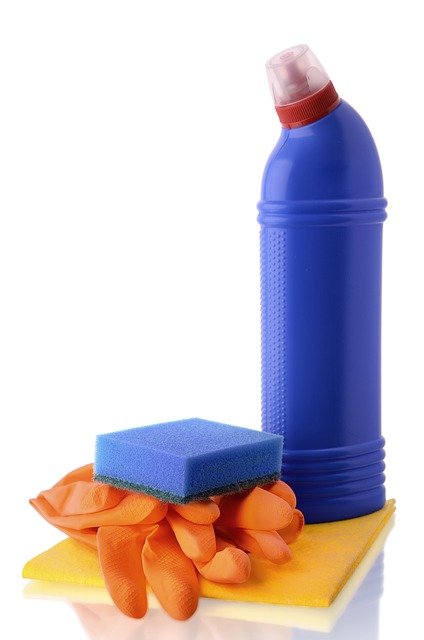
Using bleach to kill mold, always wear protective gear
Can I Use Bleach to Kill Mold?
Yes, bleach can kill mold, but it’s not a one-size-fits-all solution. Its effectiveness depends on the surface you’re treating.
On hard, nonporous surfaces like tile, glass, or countertops, bleach can do a good job of eliminating mold on the surface. Since mold cannot penetrate these materials, thorough surface cleaning is usually enough to keep it from coming back. On porous surfaces like wood, drywall, or fabric, bleach is less effective. Mold can grow beneath the surface of these materials and bleach only removes visible mold on the surface. That means the mold can quickly return if the underlying growth isn’t fully addressed.
In other words, bleach can help with surface mold in the right situations, but it’s not a reliable solution for mold hiding in porous materials. Knowing the limits of bleach is key to tackling mold safely and effectively.
How to Use Bleach to Remove Mold
If you choose to use bleach to treat nonporous surfaces, follow these steps to remove the mold safely:
- Protect Yourself:
Mold and bleach can both irritate your skin, eyes, and lungs. Wear gloves, protective eyewear, and a mask to avoid inhaling fumes or coming into direct contact with mold. Ensure the area is well-ventilated by opening windows or using fans. - Prepare the Bleach Solution:
Mix one cup of bleach with one gallon of water in a bucket. Do not mix bleach with ammonia or other household cleaners, as this can produce dangerous fumes. - Apply the Solution:
Using a sponge, cloth, or spray bottle, apply the bleach solution directly to the moldy surface. Make sure to thoroughly wet the area, but avoid oversaturating it, as excessive moisture can encourage further mold growth. - Let it Sit:
Allow the bleach solution to sit on the surface for at least 10–15 minutes. This gives the bleach time to kill the mold spores effectively. - Scrub the Area:
Use a stiff brush or sponge to scrub the mold away. Focus on all affected areas, ensuring you remove as much visible mold as possible. - Rinse and Dry:
After scrubbing, rinse the area with clean water and dry it completely. Mold thrives in moisture, so drying the surface thoroughly is essential to prevent regrowth. - Dispose of Materials Carefully:
Dispose of any sponges, cloths, or brushes used to clean mold safely. Wash your gloves and hands thoroughly after cleaning.
Important Note: Bleach only works on nonporous surfaces and will not penetrate materials like wood, drywall, or fabric. For porous surfaces, other mold remediation methods are necessary to fully address the problem.
Other Methods of Mold Removal
Since bleach isn’t effective on all surfaces, it’s important to know alternative methods for removing mold from your home. Even when bleach can be used, you might prefer a gentler, more natural approach. Regardless of the method you choose, always prioritize safety by wearing gloves, a mask, and protective eyewear.
For small or minor mold growth, white distilled vinegar is an excellent option. It’s inexpensive, widely available, and you likely already have some at home. Simply pour vinegar into a spray bottle, spray it onto the moldy area, and let it sit for about an hour. Afterward, wipe the surface clean.
Baking soda is another effective and natural solution. Mix 1 tablespoon of baking soda with 1 cup of water until fully dissolved, then transfer the solution to a spray bottle. Apply it to the affected areas and allow it to sit briefly before scrubbing. After scrubbing, rinse the area, then reapply the solution to help prevent mold from returning.
Both of these natural remedies are safe, affordable, and effective for minor mold problems, making them great alternatives to harsher chemical treatments.
Professional Mold Remediation Services
Attempting to remove mold on your own may seem like a practical solution, especially when you recognize how quickly mold can spread. However, proper mold remediation requires the right methods and equipment. When handled incorrectly, DIY mold removal can actually worsen the problem, spreading spores to new areas and causing further damage.
In addition, cleaning mold yourself exposes you to potential health risks. Direct contact with mold can trigger allergies, respiratory issues, and other health concerns, especially in sensitive individuals. For these reasons, it’s always best to leave mold remediation to trained professionals.
At ServiceMaster S&R Systems, we provide expert mold remediation services for homes and businesses in Kane, Kendall, and Will Counties in Illinois. Our certified technicians will contain the affected areas to prevent further spread, create a detailed remediation plan, remove all traces of mold, and address the source of moisture that caused the problem in the first place. Using specialized equipment and advanced techniques, we ensure thorough, lasting results.
With professional mold remediation from ServiceMaster S&R Systems, you can rest assured that your home will be safe, clean, and completely free of mold once again.
Mold Remediation FAQs
Can bleach completely remove mold from my home?
Bleach can kill mold on hard, nonporous surfaces like tile, glass, or countertops. However, it does not work on porous materials such as wood, drywall, or fabric because mold can grow beneath the surface. In those cases, bleach only removes surface mold, and the problem will likely return unless the source is properly addressed.
Are natural cleaners like vinegar or baking soda effective for mold removal?
Yes, for small, contained mold problems, white distilled vinegar and baking soda are effective and natural alternatives to bleach. Vinegar can kill many types of mold on contact, while baking soda helps remove stains and deodorize the area. These methods are best for minor mold issues, not for widespread or deep-rooted growth.
When should I call a professional for mold remediation?
If the mold covers a large area (typically more than 10 square feet), keeps returning after cleaning, or is growing on porous materials like drywall or wood, it’s time to call a professional. Certified technicians, like those at ServiceMaster S&R Systems, have the equipment and expertise to safely contain and remove mold while addressing the moisture source to prevent it from coming back.
