
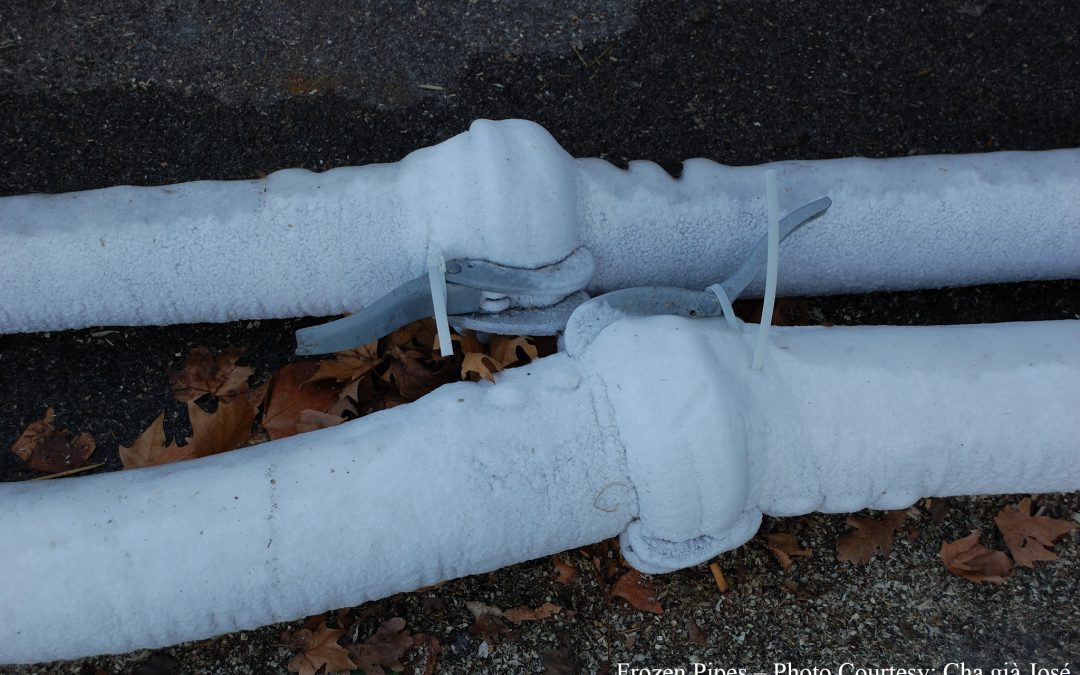
As temperatures begin to drop, one of the biggest concerns for homeowners is protecting their water pipes from freezing. A single burst pipe can cause thousands of dollars in water damage, not to mention the stress and inconvenience of emergency repairs in the middle of winter. Fortunately, with a few proactive steps, you can prevent frozen or burst pipes before the cold weather sets in.
In this blog, we’ll share essential winterizing tips for your water pipes, both inside and outside your home, to help you safeguard your plumbing system and avoid costly damage this season.
How Do Frozen and Burst Pipes Happen?
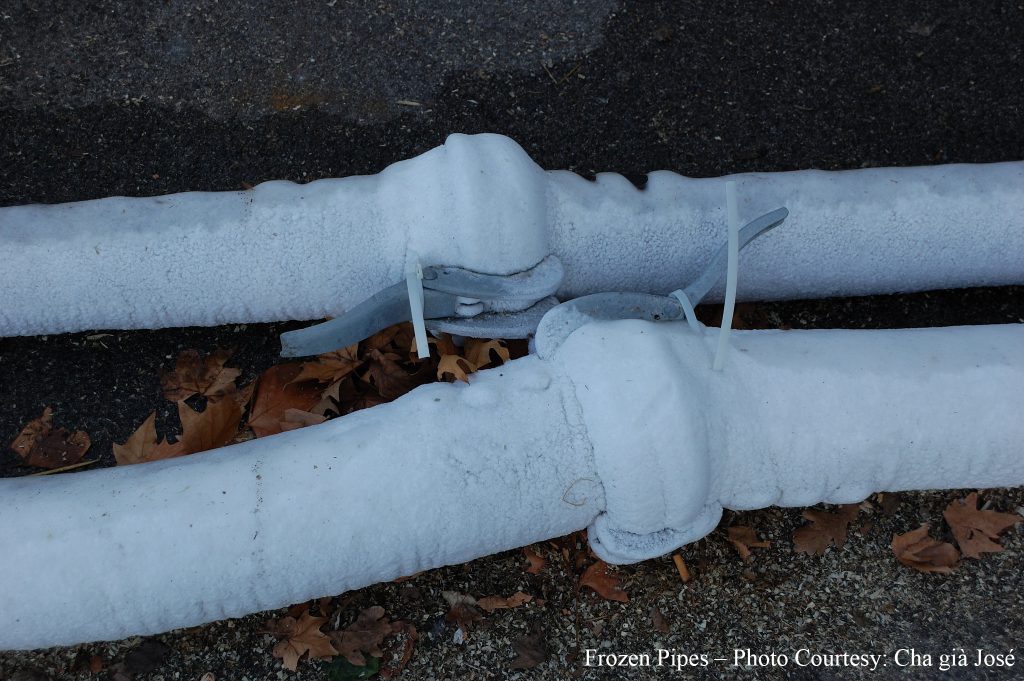
You should watch out for pipes that are located within outside walls, in uninsulated areas, and within spaces that are not heated.
When temperatures drop below freezing, the water inside your pipes can begin to solidify. As water turns to ice, it expands, putting tremendous pressure on the inside of the pipe. Even strong materials like copper or PVC can’t always withstand this force.
The danger isn’t always where the ice forms, either. In many cases, a blockage of ice creates a pressure buildup between the frozen section and a closed faucet, eventually causing the pipe to burst in a completely different area.
Pipes most at risk are those located in unheated spaces such as basements, attics, garages, crawl spaces, or exterior walls. Poor insulation, cracks that let in cold air, and sudden temperature drops all increase the likelihood of freezing pipes. Once a pipe bursts, water can gush out rapidly, causing significant flooding and damage to walls, floors, and belongings.
Understanding how frozen pipes occur is the first step in preventing them. With the right insulation and winter preparation, you can keep water flowing freely all season long.
The Damage Caused by Burst Pipes
When a pipe bursts, the damage can be fast, extensive, and expensive. Even a small crack can release hundreds of gallons of water in a single day, soaking walls, floors, insulation, and personal belongings. Water can quickly seep into drywall, flooring, and framing, leading to structural weakening, warping, and costly repairs.
Beyond the immediate mess, burst pipes often create long-term problems. Damp areas become a breeding ground for mold and mildew, which can spread through the home and pose serious health risks. Electrical systems and appliances exposed to water may short out or fail entirely, adding to the danger and expense.
In some cases, homeowners may need to replace insulation, flooring, and even portions of the home’s foundation. Insurance might cover some of the costs, but the disruption to daily life, temporary relocations, cleanup, and restoration, can be significant.
That’s why prevention is so important. Winterizing your pipes before freezing temperatures hit is far easier and far less expensive than dealing with the aftermath of a burst pipe.
How to Winterize Your Pipes
Taking the time to properly winterize your pipes can save you from costly damage and major headaches later in the season. Here’s how to protect your plumbing system both inside and out before freezing temperatures arrive:
- Insulate exposed pipes.
Pipes in unheated areas such as basements, attics, crawl spaces, and garages should be wrapped with foam pipe insulation or heat tape. This helps retain warmth and prevent freezing even when temperatures drop. - Seal gaps and cracks.
Inspect areas around windows, doors, and where pipes enter walls for drafts. Use caulk or insulation to seal any openings that allow cold air to reach your plumbing. - Disconnect and drain outdoor hoses.
Outdoor water lines are particularly vulnerable to freezing. Disconnect hoses, drain them completely, and store them indoors. Shut off and drain any outdoor faucets or sprinkler systems if possible. - Keep a steady indoor temperature.
During cold spells, keep your thermostat set to at least 55°F, even when you’re away. Consistent heat helps protect pipes inside walls and under sinks. - Let faucets drip.
Allowing a slow trickle of water to flow from faucets connected to vulnerable pipes can relieve pressure buildup and keep water moving, making it less likely to freeze. - Open cabinet doors.
In kitchens and bathrooms, open cabinet doors under sinks to let warm air circulate around pipes. This is especially helpful for plumbing along exterior walls. - Know where your main shut-off valve is.
In case of an emergency, you’ll want to quickly shut off your home’s water supply to minimize damage. Make sure everyone in your household knows where the water valve is located and how to use it.
By taking these preventive steps before winter sets in, you can greatly reduce the risk of frozen or burst pipes and enjoy peace of mind all season long.
What to Do If Your Pipes Freeze or Burst
Even with careful winter preparation, pipes can still freeze or, in the worst-case scenario, burst. Knowing how to respond quickly can minimize damage and keep your home safe.
- Recognize the signs of a frozen pipe.
Common warning signs include reduced water flow, strange noises when turning on faucets, frost or condensation on exposed pipes, or unusually cold spots on walls near plumbing. Acting early can prevent a full freeze or a burst. - Thaw frozen pipes safely.
If you suspect a pipe is frozen, start by turning on the faucet it feeds to help relieve pressure as it thaws. Apply gentle heat using a hair dryer, space heater, or warm towels. Never use an open flame, as this can damage the pipe or cause a fire. - Shut off the water if a pipe bursts.
If you notice a leak or flooding, immediately turn off your home’s main water supply. This stops further water damage and gives you time to address the issue safely. - Protect your home and belongings.
Move furniture, rugs, and valuables away from affected areas. If safe, use towels or buckets to contain leaking water. Turn off electricity in areas exposed to water to reduce the risk of electrical hazards. - Call a professional plumber.
For frozen pipes you can’t reach or any burst pipe, contact a licensed plumber right away. Attempting major repairs yourself can worsen the damage or create safety risks.
Understanding how to respond quickly can significantly reduce the impact of winter plumbing emergencies and give you peace of mind until repairs are complete.
Water Damage Restoration from ServiceMaster S&R Systems
Winterizing your water pipes is more than just a seasonal chore, it’s an essential step in protecting your home from potentially devastating damage. From insulating exposed pipes and sealing gaps to knowing how to respond if a pipe freezes or bursts, proactive measures can save you thousands of dollars in repairs and prevent the stress and disruption that water damage brings.
Despite your best efforts, accidents can still happen. If you experience flooding or water damage from a burst pipe, ServiceMaster S&R Systems is here to help. Our expert team specializes in rapid water damage restoration, from extracting water and drying affected areas to restoring your home to its pre-damage condition. Acting quickly with professional support can prevent mold growth, structural damage, and long-term complications, giving you peace of mind through the winter months.
Don’t wait until it’s too late, call ServiceMaster S&R Systems at (630) 896-0030 for professional water damage restoration in Aurora, Naperville, Joliet, and the surrounding areas.
Burst Pipe Damage FAQs
Why do pipes freeze in winter?
Pipes freeze when the water inside them is exposed to temperatures below 32°F. As water turns to ice, it expands, creating pressure that can crack or burst the pipe. Pipes in unheated areas like basements, attics, garages, and exterior walls are particularly vulnerable.
How can I prevent my pipes from bursting?
Preventive steps include insulating exposed pipes, sealing gaps and drafts, keeping your home heated consistently, letting faucets drip during extreme cold, and disconnecting outdoor hoses. Taking these precautions before temperatures drop significantly can greatly reduce the risk of frozen or burst pipes.
What should I do if a pipe bursts in my home?
If a pipe bursts, immediately turn off your main water supply to stop further flooding. Protect your belongings by moving furniture and using towels or buckets to contain water. Turn off electricity in affected areas and call a professional plumber. For extensive water damage, contact a water damage restoration company like ServiceMaster S&R Systems to quickly dry and restore your home.
