
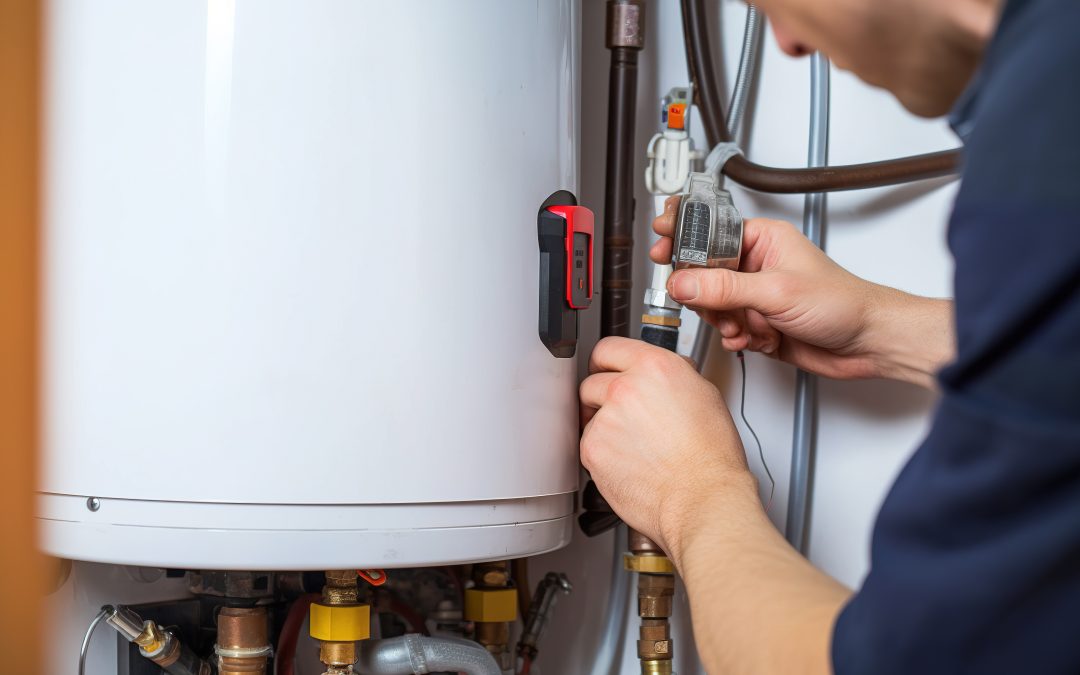
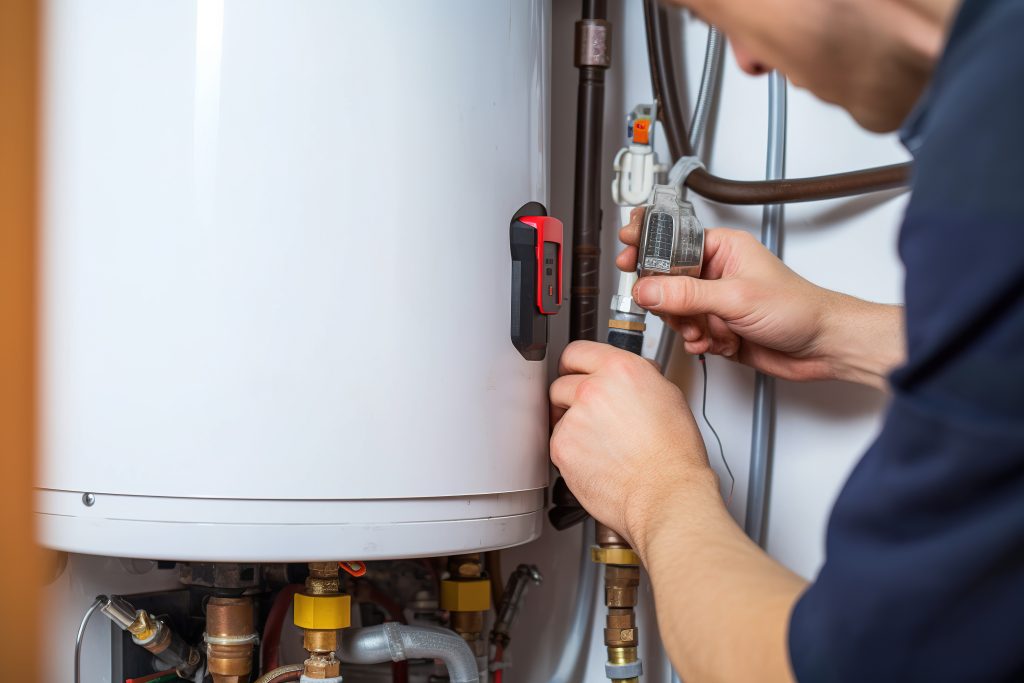
Few home issues disrupt daily life faster than a water heater that isn’t working properly. Cold showers, inconsistent water temperatures, strange noises, or unexpected leaks are often the first signs that something isn’t right. While a malfunctioning water heater can feel like it comes out of nowhere, the truth is that most problems stem from a handful of common and often preventable issues.
In this guide, we’ll break down the most frequent causes of water heater malfunctions, what warning signs to watch for, and when it’s time to call in a professional. Understanding what’s happening behind the scenes can help you avoid bigger problems, protect your home from water damage, and keep hot water flowing when you need it most.
Sediment Buildup in the Tank
Over time, minerals naturally found in your water supply, such as calcium and magnesium, settle at the bottom of your water heater tank. As water is heated and reheated day after day, these minerals separate from the water and form a layer of sediment along the tank floor. This is especially common in areas with hard water and in older water heaters that haven’t been flushed regularly.
As sediment builds up, it can cause a range of noticeable problems. Homeowners often hear popping, rumbling, or cracking noises coming from the tank as trapped water bubbles through the hardened sediment layer. You may also notice that your hot water doesn’t last as long as it used to, or that the water appears cloudy or gritty when it comes out of the tap.
Beyond the inconvenience, sediment buildup forces your water heater to work harder to heat the water, reducing its efficiency and driving up energy costs. The added strain can lead to overheating, damage to internal components, and accelerated wear on the tank itself. Left unaddressed, excessive sediment buildup can significantly shorten the lifespan of your water heater and increase the risk of leaks or sudden failure.
Faulty or Failing Heating Elements
Your water heater relies on heating components to warm the water inside the tank, and the type of component depends on whether the unit is electric or gas. Electric water heaters use one or two heating elements submerged in the tank, while gas water heaters rely on a burner and heat exchanger located beneath the tank to transfer heat upward. When these components begin to fail, hot water problems often follow.
One of the most common signs of a failing heating element or burner is inconsistent water temperature. You may run out of hot water much faster than usual, experience lukewarm water, or notice that the water never fully heats up. In electric models, a burned-out element can cause the unit to rely on only one working element, drastically reducing performance. In gas units, issues such as a dirty burner, faulty igniter, or pilot light problems can prevent the water from heating efficiently.
When heating components aren’t working properly, the water heater struggles to maintain the desired temperature and takes much longer to reheat water after use. This slower recovery time can be especially noticeable during busy mornings or high-demand periods, putting extra strain on the system and signaling that professional inspection or repair may be needed.
Thermostat Problems
The thermostat plays a key role in regulating your water heater’s temperature by signaling when the heating elements or burner should turn on and off. Its job is to keep the water within a safe, comfortable temperature range, ensuring you have consistent hot water without overheating the system. When the thermostat is working correctly, it helps balance comfort, energy efficiency, and safety.
If the thermostat is malfunctioning or improperly calibrated, you may notice fluctuating water temperatures, water that’s too hot or not hot enough, or sudden changes during use. In some cases, the thermostat may fail to signal the heating components altogether, leaving you with little to no hot water. These issues can be difficult to pinpoint because they often mimic problems caused by heating element failures.
Thermostat problems aren’t just inconvenient; they can also pose safety risks. Overheated water increases the chance of scalding and puts extra pressure on the tank, while lukewarm water may fall below safe temperatures that help prevent bacterial growth. Addressing thermostat issues promptly helps protect both your household’s safety and the overall health of your water heater.
Aging Water Heater
Like any major home appliance, water heaters have a limited lifespan. Traditional tank-style water heaters typically last around 8 to 12 years, while tankless models can often operate for 15 to 20 years with proper maintenance. As a unit approaches or exceeds these age ranges, the likelihood of breakdowns and performance issues increases significantly.
Older water heaters commonly experience problems such as reduced heating efficiency, frequent temperature fluctuations, corrosion inside the tank, and recurring component failures. Parts like heating elements, thermostats, valves, and anode rods wear out over time, and mineral buildup tends to worsen with age. You may also notice higher energy bills or a decline in water pressure and output.
At a certain point, repairs become less practical and more costly than replacement. If your water heater requires frequent service, struggles to meet your household’s hot water needs, or shows signs of rust or leaking, replacement is often the smarter long-term investment. Upgrading to a newer, more energy-efficient model can improve reliability, lower utility costs, and reduce the risk of unexpected water damage.
Pressure Relief Valve Issues
The temperature and pressure (T&P) relief valve is one of the most important safety components on your water heater. Its purpose is to release excess pressure or heat that builds up inside the tank, preventing the unit from overheating or becoming dangerously pressurized. When functioning properly, the valve automatically opens to discharge water if temperature or pressure levels exceed safe limits.
Warning signs of a failing T&P relief valve include water dripping or pooling around the discharge pipe, frequent releases of hot water, or visible corrosion on the valve itself. In some cases, the valve may stick open and leak continuously, while in others it may fail to open at all; both situations signal a serious problem that should be addressed promptly.
Because the T&P relief valve is designed to prevent extreme pressure buildup, a malfunctioning valve poses a significant safety risk. Without proper pressure relief, the tank can crack, rupture, or even burst under stress. Ensuring this valve is in good working condition is essential for protecting your home, preventing water damage, and keeping everyone in your household safe.
Corrosion and Rust Inside the Tank
Corrosion is a natural part of a water heater’s aging process, and it usually starts from the inside out. Over time, water reacts with the metal tank, gradually causing rust to form. If left unchecked, corrosion can weaken the tank walls, leading to leaks or even complete tank failure. Hard water and lack of maintenance can accelerate this process, making it a common culprit behind water heater malfunctions.
The anode rod plays a crucial role in slowing corrosion. Often called the “sacrificial rod,” it’s designed to attract corrosive elements in the water, protecting the tank’s metal lining. Over time, however, the anode rod itself wears down and needs replacement. If it’s depleted, the tank is left vulnerable to rust and deterioration.
Visible signs of rust or corrosion include discolored water, reddish-brown sediment at the bottom of the tank, and rust stains around connections or valves. These signs indicate that corrosion is already affecting the tank and may require immediate attention. Ignoring them can lead to leaks, reduced efficiency, and costly emergency repairs, or even the need for a full water heater replacement.
Water Leaks and Connection Problems
Leaks are one of the most obvious and potentially damaging signs that your water heater is struggling. Common leak points include the valves, fittings, and tank seams where corrosion, loose connections, or worn-out components can allow water to escape. Even a small drip might seem minor at first, but it can quickly lead to bigger problems if left unchecked.
Addressing leaks promptly is crucial because water doesn’t just disappear, it seeps into flooring, walls, and insulation, creating conditions for structural damage and mold growth. A tiny leak can go unnoticed for weeks or months, slowly weakening your home and increasing repair costs.
In addition to property damage, persistent leaks can also reduce your water heater’s efficiency and lead to higher utility bills. Whether the leak comes from a loose fitting, a failing valve, or a compromised tank, professional inspection and repair are essential to prevent further issues and protect both your water heater and your home.
Electrical or Gas Supply Issues
Sometimes, a water heater that isn’t producing hot water isn’t broken at all, it’s simply not receiving the energy it needs to operate. For electric water heaters, tripped breakers, blown fuses, or faulty wiring can prevent the heating elements from turning on. In gas models, interrupted gas supply, a faulty pilot light, or a malfunctioning gas valve can stop the burner from igniting, leaving you with cold water.
Warning signs of electrical or gas supply issues include no heat at all, flickering pilot lights, or inconsistent water temperatures despite the thermostat being properly set. These problems can be tricky to diagnose and often involve components that pose safety risks if handled incorrectly.
Because both electricity and gas can be dangerous, it’s important to call a licensed professional whenever you suspect a supply issue. Attempting DIY repairs without the proper training can lead to electric shock, gas leaks, or worse. A qualified technician can quickly identify the cause, safely restore your water heater, and ensure it is operating efficiently.
Lack of Routine Maintenance
Regular maintenance is one of the simplest ways to keep your water heater running smoothly, yet it’s often overlooked. Over time, sediment buildup, worn components, and minor leaks can quietly accumulate, eventually leading to malfunctions or complete failure. Routine inspections and maintenance help catch these issues early, preventing costly surprises and extending the life of your unit.
Flushing the tank, checking the anode rod, testing the T&P relief valve, and inspecting connections are all key maintenance tasks. These steps help remove sediment, prevent corrosion, and ensure that all safety components are functioning properly. A well-maintained water heater operates more efficiently, uses less energy, and is less likely to leave you without hot water when you need it most.
For most homeowners, a good maintenance schedule includes:
- Annual flushing to remove sediment
- Anode rod inspection every 1–3 years, depending on water quality
- T&P valve testing at least once a year
- Routine visual inspections of pipes, fittings, and the tank for leaks or corrosion
Following this schedule can save you money, reduce unexpected breakdowns, and help your water heater last longer.
When to Repair vs. Replace Your Water Heater
When your water heater starts acting up, one of the biggest questions homeowners face is whether to repair the unit or replace it altogether. Cost is often the first factor to consider. Minor repairs, such as replacing a heating element, thermostat, or valve, are typically affordable and make sense for newer systems. However, repeated repairs can quickly add up, especially if the unit is nearing the end of its expected lifespan.
Performance and efficiency also play a major role in this decision. If your water heater struggles to keep up with demand, produces inconsistent temperatures, or causes rising energy bills, repairs may only provide short-term relief. Older units are generally less energy-efficient, and even when fixed, they may continue to operate below modern efficiency standards.
In many cases, replacement is the better long-term solution when the water heater is more than 8–12 years old, shows signs of rust or tank corrosion, leaks from the tank itself, or requires frequent service calls. Investing in a newer model can improve reliability, lower utility costs, and reduce the risk of sudden failure and water damage, offering greater peace of mind for your home.
What to Do If Your Water Heater Fails
A sudden water heater failure can be stressful, but acting quickly can help minimize damage to your home. If you notice leaking, flooding, or a complete loss of hot water, the first step is to assess the situation and protect surrounding areas. Move valuables away from the water heater, and if water is spreading, use towels or buckets to limit damage until help arrives.
If there is an active leak or burst, shut off the water supply to the water heater immediately using the dedicated shut-off valve. You should also turn off the power source by switching off the breaker for electric units or turning the gas valve to the “off” position for gas models. This step is critical for safety and helps prevent further damage to the system.
Once the immediate risk is under control, contact a licensed plumber or water heater professional to diagnose the issue. If leaking water has affected floors, walls, or nearby rooms, it’s also important to call a water damage restoration specialist as soon as possible. Prompt professional help can prevent mold growth, reduce repair costs, and get your home and hot water back to normal quickly.
Don’t Let Water Heater Problems Turn into Water Damage
A malfunctioning or broken water heater is more than an inconvenience, it can quickly lead to serious water damage if leaks or tank failures aren’t addressed right away. From soaked floors and damaged walls to the risk of mold growth, even a small amount of water can create costly problems for your home if left untreated.
If your water heater has leaked, burst, or caused water damage, ServiceMaster S&R Systems is here to help. Our experienced restoration professionals respond quickly to contain the damage, remove excess water, dry affected areas, and restore your home safely and efficiently. Fast action can make all the difference in preventing long-term damage and protecting your property.
Don’t wait for a minor issue to become a major repair. If you’re dealing with water damage from a broken water heater, contact ServiceMaster S&R Systems for professional water damage restoration you can trust.
