
Smoke odor can stay trapped in a home or business long after a fire is extinguished. Even when a room looks clean, odor-causing particles can remain in porous materials, inside ductwork, and behind surfaces. This guide explains what works, what to avoid, and when professional smoke odor removal is the best next step after fire damage in Kendall County, IL. If you need broader recovery support, review our disaster restoration services in Kendall County, IL.
Quick Answer
- Start with safety, photos, and insurance documentation before deep cleaning.
- Open ventilation helps short term, but smoke odor often returns without source-level treatment.
- DIY cleaning can help with light surface odor but usually does not resolve moderate or heavy contamination.
- HVAC contamination is a common reason smoke smell keeps circulating.
- For reliable results, most fire losses need a structured restoration process.
First 24 Hours: What to Do and What to Avoid
Do this first
- Confirm local authorities have cleared the property for entry.
- Document all affected areas with photos and video before moving items.
- Separate salvageable items from unsalvageable materials.
- Limit airflow through central HVAC until the system is inspected.
Avoid these common mistakes
- Do not use household cleaners on heavy soot without testing, as smearing can spread residue.
- Do not paint or seal over odor before proper cleaning and deodorization.
- Do not assume one-room cleanup is enough if smoke traveled through vents.
Why Smoke Odor Keeps Coming Back
Smoke particles are microscopic and can settle into drywall, framing, insulation, carpet, upholstery, and cabinetry. When humidity rises or HVAC runs, those particles reactivate and odor returns. That is why successful smoke odor removal requires both physical residue removal and targeted deodorization, not just masking sprays.
DIY vs Professional Smoke Odor Removal
For minor smoke exposure, DIY steps can reduce odor temporarily. For more than a light, isolated incident, professional restoration is usually faster, safer, and more durable.
Surface Wipe-Down
DIY Possible? Sometimes
When to Call a Pro: Sticky soot, large areas, or sensitive finishes.
Risk If Delayed: Residue spread and recurring odor.
Soft Goods Deodorization
DIY Possible? Limited
When to Call a Pro: Multiple rooms, upholstery, drapes, and carpeting.
Risk If Delayed: Persistent odor in fabrics.
HVAC/Duct Treatment
DIY Possible? Rarely
When to Call a Pro: Any sign odor returns when the system runs.
Risk If Delayed: Whole-property recirculation.
How Professional Smoke Odor Removal Works
- Assessment and testing: identify severity, affected materials, and odor sources.
- Containment and air filtration: control spread while cleaning is in progress.
- Source cleaning: remove soot and residue from structural and content surfaces.
- Deodorization: apply professional methods based on material type and exposure level.
- Verification: confirm remaining odor hotspots are addressed before closeout.
Cost and Timeline: What Changes the Scope
- How many rooms were affected and how long smoke circulated.
- Material types involved (porous vs non-porous surfaces).
- Whether HVAC/duct components require treatment.
- Moisture or water damage present from firefighting efforts.
Every loss is different. The most accurate way to estimate timeline and effort is an on-site inspection.
Coverage Across Kendall County, IL
We provide smoke odor removal after fire damage in Kendall County, IL, including properties near Boulder Hill, near Bristol, near Lisbon, near Millbrook, near Millington, near Montgomery, near Newark, near Oswego, near Plano, near Plattville, near Sandwich, and in Yorkville. For focused structural cleanup in the local market, see our fire damage restoration in Yorkville, IL service page.
FAQ
How long does smoke odor removal usually take?
It depends on severity, affected materials, and whether HVAC systems were impacted. Small losses may move quickly, while larger losses need a staged process.
Will smoke odor go away on its own?
Light odor may fade, but embedded smoke residue often remains and can reactivate over time without proper treatment.
Can I just repaint walls to remove smoke smell?
Repainting before proper cleanup can trap contaminants and allow odor to return. Cleaning and deodorization should come first.
Is smoke odor removal covered by insurance?
Coverage depends on your policy and the cause of loss. Keep detailed documentation and consult your carrier for claim-specific guidance.
When should I call for professional help?
If odor persists, soot reached multiple rooms, or HVAC appears involved, professional restoration is recommended.
Need Help Right Now?
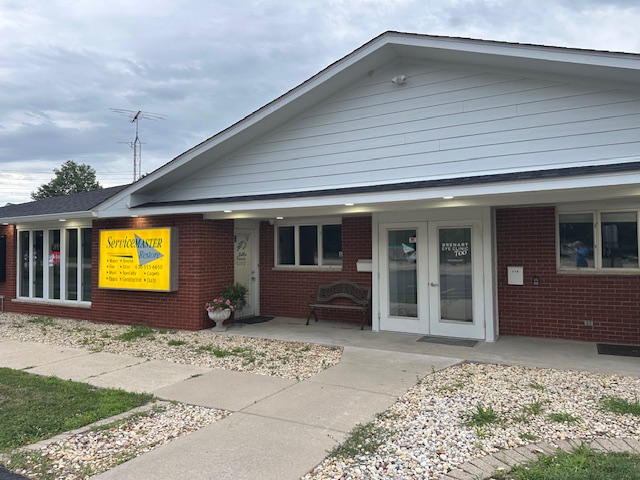
If you are dealing with fire-related smoke odor in Kendall County, contact ServiceMaster of Kendall County for a professional assessment and clear next steps. You can also view our Google Maps listing.
Find Us in Kendall County
